44 nutrient content claims on food labels
Nutrition content and health claims | Obesity Evidence Hub Nutrient content claims on food labels. Nutrient content claims such as 'low in fat' or 'good source of calcium' must meet certain criteria set out in the Food Standards Code 2 - for example a product claimed to be a 'good source of calcium' must contain at least the amount of calcium specified in the Code. 1 Nutrition content ... Nutrition content claims and health claims - Food Standards Nutrition content claims. Nutrition content claims are about the content of certain nutrients or substances in a food, such as 'low in fat ' or 'good source of calcium'. These claims need to meet certain criteria. For example, food with a 'good source of calcium' claim needs to contain at least the amount of calcium specified in the Standard.
Making a nutrient content claim on food labels - Food labels - Canadian ... Non-prepackaged products and prepackaged products exempted from showing a Nutrition Facts table are permitted to make nutrient content claims or other permitted nutrition-related statements or representations on either the label for the food and/or in an advertisement. However, if a claim is made by or for the manufacturer for a prepackaged ...

Nutrient content claims on food labels
Nutrient content claims - Canadian Food Inspection Agency Advertisements making vitamin and mineral nutrient content claims; Decision trees for nutrient content claim advertising requirements; Reference information. Foods to which vitamins, mineral nutrients and amino acids may or must be added; Nutrient content claim examples; Additional Information. Criteria for the nutrient content claim no added ... History of Nutrition Labeling - Front-of-Package Nutrition Rating ... Up to the late 1960s, there was little information on food labels to identify the nutrient content of the food. From 1941 to 1966, when information on the calorie or sodium content was included on some food labels, those foods were considered by the Food and Drug Administration (FDA) to be for "special dietary uses," that is, intended to meet particular dietary needs caused by physical ... Nutrient content claims: what they mean - Canada.ca At least 25% more of a nutrient compared with a similar product. Calories (energy) At least 25% more Calories, totalling at least 100 more Calories than the food to which it is compared. Fibre. At least 25% more fibre, totalling at least 1 g more, if no fibre or fibre source is identified in the statement or claim, or at least 25% more of an ...
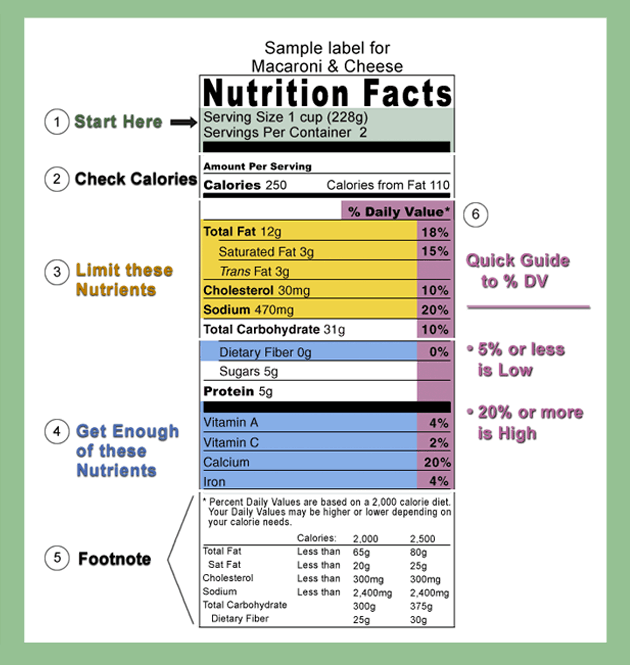
Nutrient content claims on food labels. Nutrient Content - an overview | ScienceDirect Topics D. McCrea, in Encyclopedia of Food Safety, 2014 Nutrient Content. A nutrient content claim is a nutrition claim that describes the level of a nutrient contained in a food, such as, 'source of calcium' and 'low in fat.' Reference levels at which a content claim can be used are specified in international and national legislations. For example, to make a claim of low fat, the table of ... Regulating health claims on food labels using nutrient ... - PubMed Objective: Proposed Australian regulation of claims on food labels includes requirements for products carrying a health claim to meet nutrient profiling criteria. This would not apply to nutrition content claims. The present study investigated the number and healthiness of products carrying claims and the impact of the proposed regulation. eCFR :: 21 CFR 101.65 -- Implied nutrient content claims and related ... An implied nutrient content claim can only be made on the label and in labeling of the food if: ( 1) The claim uses one of the terms described in this section in accordance with the definition for that term; ( 2) The claim is made in accordance with the general requirements for nutrient content claims in § 101.13; and. Food Labels Guide & Examples | How to Read Nutrition Labels - Study.com A nutrition facts label, or food label, is designed to provide information about the nutrient content of the food item. At the top we find the 'Serving Size' and 'Servings Per Container,' followed ...
Nutrition, health and related claims - Food Standards Standard 1.2.7 - Nutrition, health and related claims in the Food Standards Code (the Code) set out requirements for making nutrition content and health claims about food. Find out more about the Standard and the different types of claims. The Implementation Subcommittee for Food Regulation (ISFR) has guidance on how to comply with Standard 1 ... A Guide to FDA Regulation of Food Labeling Claims FDA recently issued a final rule related to omega-3 claims, in which the agency is allowing "high," "good source" and "more" claims in reference to alpha-linolenic acid (ALA) based on specific nutrient levels. Nutrient-content claims in reference to eicosapentaenoic acid (EPA) and docosahexaenoic acid (DHA) remain prohibited. Food Packaging Claims | American Heart Association There are three categories of claims defined by statute and/or FDA regulations that can be used on food and dietary supplement labels: health claims, nutrient content claims, and; structure/function claims. A "health claim" by definition has two essential components: A substance (whether a food, food component, or dietary ingredient) and Nutrient Content Claim vs Health Claim - LabelCalc Nutrient content claims, which are commonly used on food labels, either refer to the amount of a nutrient in a product or compare the levels of a nutrient in that food to a similar reference food. When referring to the amount of a nutrient in a product, words such as "low," "free," and "high" are often used.
Label Claims for Conventional Foods and Dietary Supplements The Nutrition Labeling and Education Act of 1990 (NLEA) permits the use of label claims that characterize the level of a nutrient in a food (i.e., nutrient content claims) if they have been ... Nutrition claims - Food Safety A claim that a food is low in energy, and any claim likely to have the same meaning for the consumer, may only be made where the product does not contain more than 40 kcal (170 kJ)/100 g for solids or more than 20 kcal (80 kJ)/100 ml for liquids. For table-top sweeteners the limit of 4 kcal (17 kJ)/portion, with equivalent sweetening properties ... Understanding Food Labels and Health Claims - Nutrition Essentials low salt. Fewer than 140 milligrams of sodium. low cholesterol. Fewer than 20 milligrams cholesterol and 2 grams of saturated fat. lean. FEver than a set amount of grams of fat for that particular cut of meat. high. It contains more than 20% of the nutrient's daily value. good source. Nutrient Content Claims on a Food Label - LabelCalc The food product nutrition content must meet the strict guidelines and parameters set forth by the FDA in order to accurately make these nutrient content claims on a food label. For a more in-depth look at nutrient content claims, download this PDF. A Quick Reference Summary of Parameters
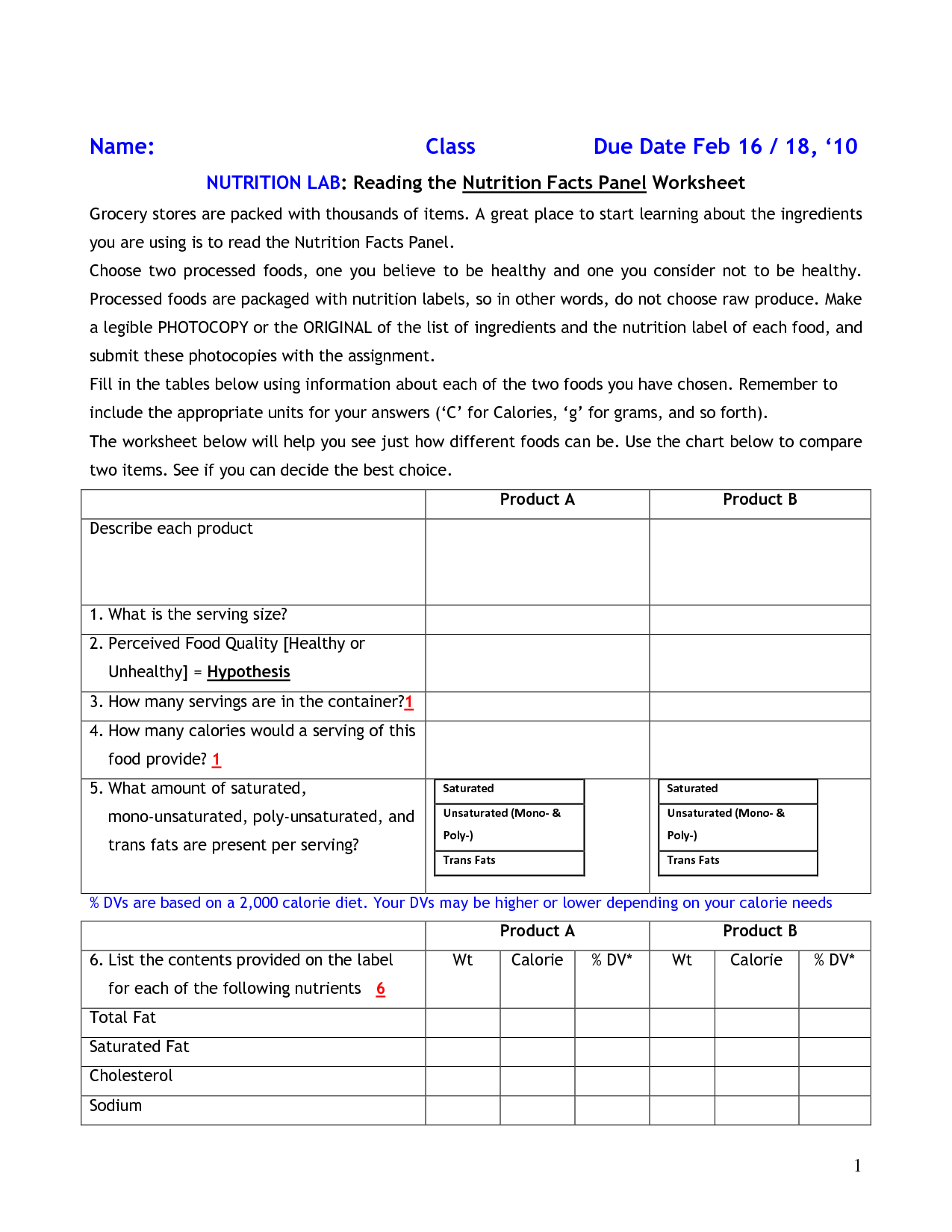
16 Best Images of Nutrition Label Worksheet - Printable Food Nutrition Labels Worksheet, Food ...
Food Labeling: Nutrient Content Claims; Alpha-Linolenic Acid ... To enable the public to comprehend the information provided in nutrient content claims and to understand the relative significance of that information in the context of the daily diet, as required by section 403(r)(2)(G)(iv) of the FD&C Act, qualifying ALA levels for nutrient content claims in food labeling must be based on a single nutrient ...
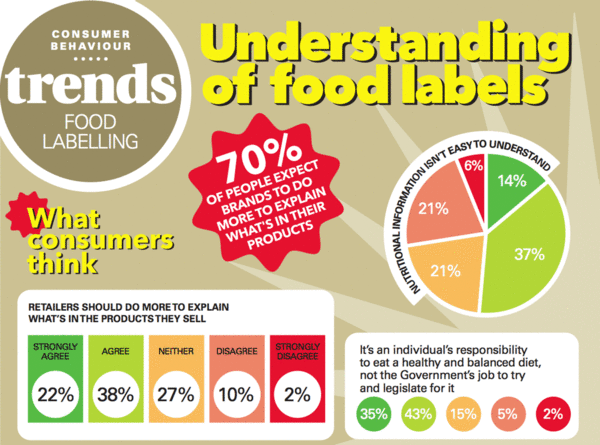
31 Understand Nutrition Facts Label - Label Ideas 2020
Nutrient Content Claims | FDA Nutrient Content Claims. See Claims That Can Be Made for Conventional Foods and Dietary Supplements for definitions of claims. Final Rule: Food Labeling: Nutrient Content Claims; Alpha-Linolenic ...
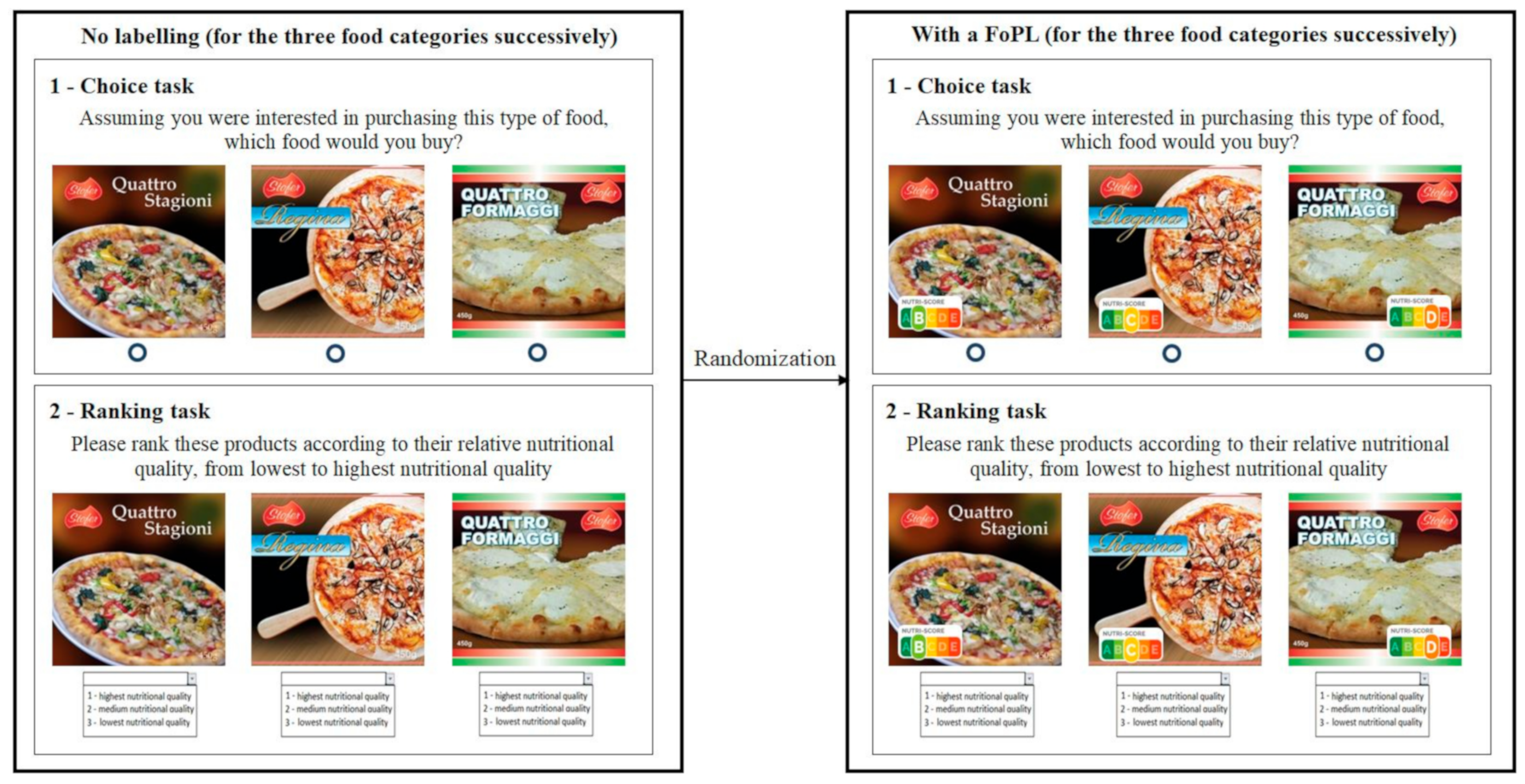
Nutrients | Free Full-Text | Consumers’ Responses to Front-of-Pack Nutrition Labelling: Results ...
eCFR :: 21 CFR 101.10 -- Nutrition labeling of restaurant foods whose ... § 101.10 Nutrition labeling of restaurant foods whose labels or labeling bear nutrient content claims or health claims. Nutrition labeling in accordance with § 101.9 shall be provided upon request for any restaurant food or meal for which a nutrient content claim (as defined in § 101.13 or in subpart D of this part) or a health claim (as defined in § 101.14 and permitted by a regulation in ...
Why It Matters
Understanding Food Labels | The Nutrition Source | Harvard T.H. Chan ... Research finds that consumers believe that a food carrying a health claim is healthier than a product that does not. Nutrient content claims. These statements describe the nutrients in a food beyond what is listed on the Nutrition Facts label, intended to showcase a health benefit of the food. An example is "Contains 100% Vitamin C."
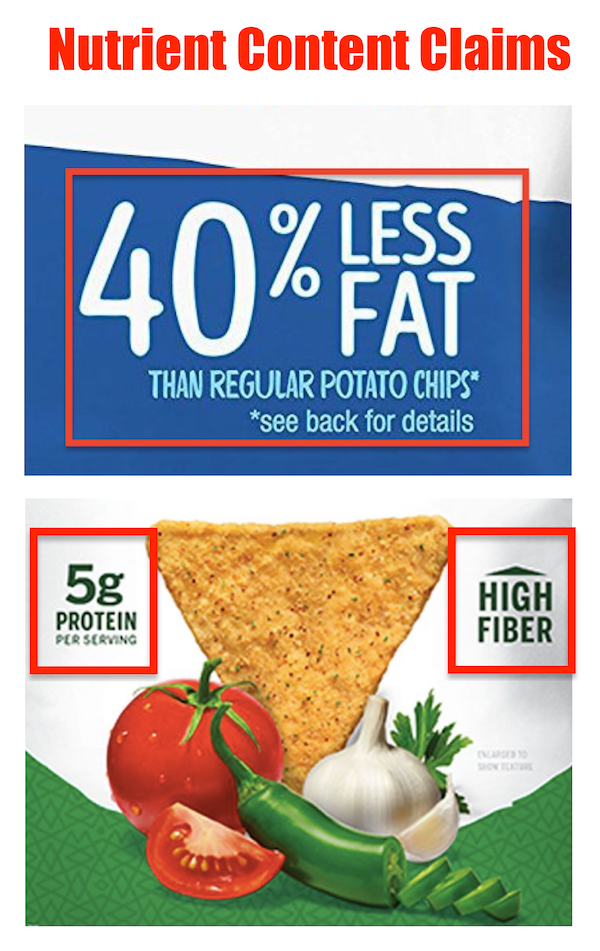
structure function claims — Blog — FDA Reader
Nutrient Claims on Food Labels - Truly Good Foods Nutrient Claims on Food Labels. July 19, 2018. Nutrient claims describe the content of a food, including the amount of nutrients, calories, cholesterol or fiber, but not in exact amounts. Usually on the front of the food label, the nutrient claim provides a quick comparison between similar products.
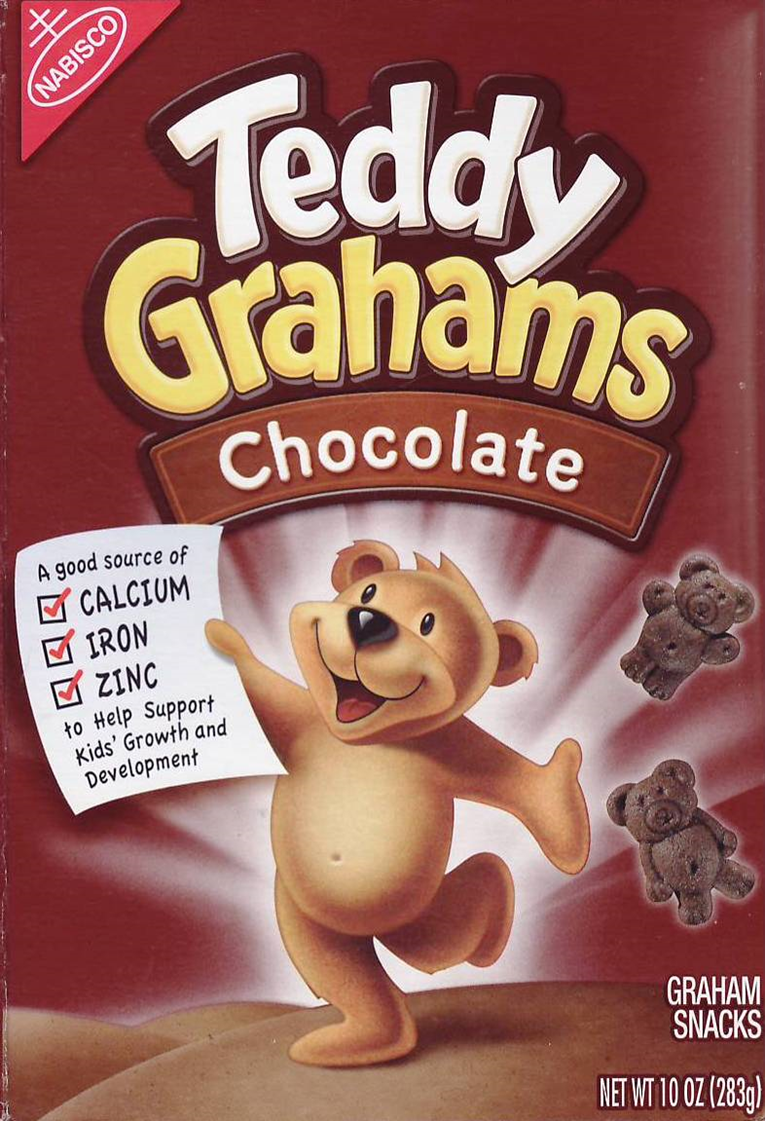
Food Politics by Marion Nestle » Vitamins
Nutrient content claims - LII / Legal Information Institute (b) A claim that expressly or implicitly characterizes the level of a nutrient of the type required to be in nutrition labeling under § 101.9 or under § 101.36 (that is, a nutrient content claim) may not be made on the label or in labeling of foods unless the claim is made in accordance with this regulation and with the applicable regulations ...
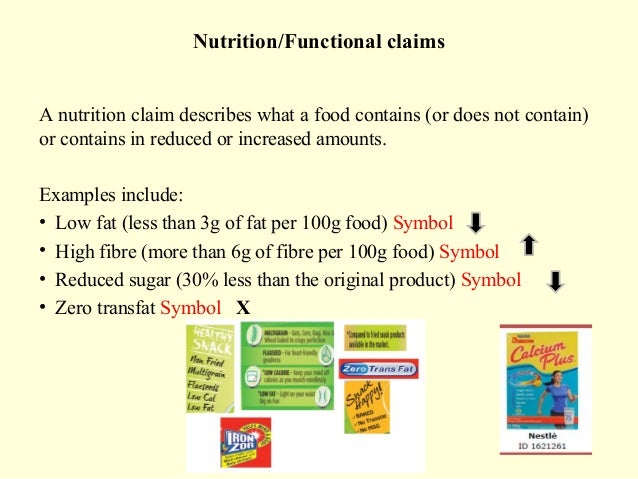
Nutritional labeling of food products
Dietary Supplement Facts Panel vs. Nutritional Facts Panel Nutrient Content Claims. Nutrient content claims describe the level of a nutrient in the product using the words free, high, low, more, reduced, or lite. Dietary supplements may use percentage levels to refer to ingredients without daily value (DV), such as "40% omega-3 fatty acids," which is not allowed for food products. Structure/Function Claims

10.2 Food & Nutrients – Environmental Issues
Decoding Food Label Claims: The Lowdown on Package Promises What is a Food Claim? Three categories of claims can appear on food labels: A nutrient content claim refers to the amount of nutrients within the food, such as "low-fat" or "rich in vitamin C." Nutrient content claims have a multitude of rules; for example, the font size of a claim can be no larger than two times the name of the product.
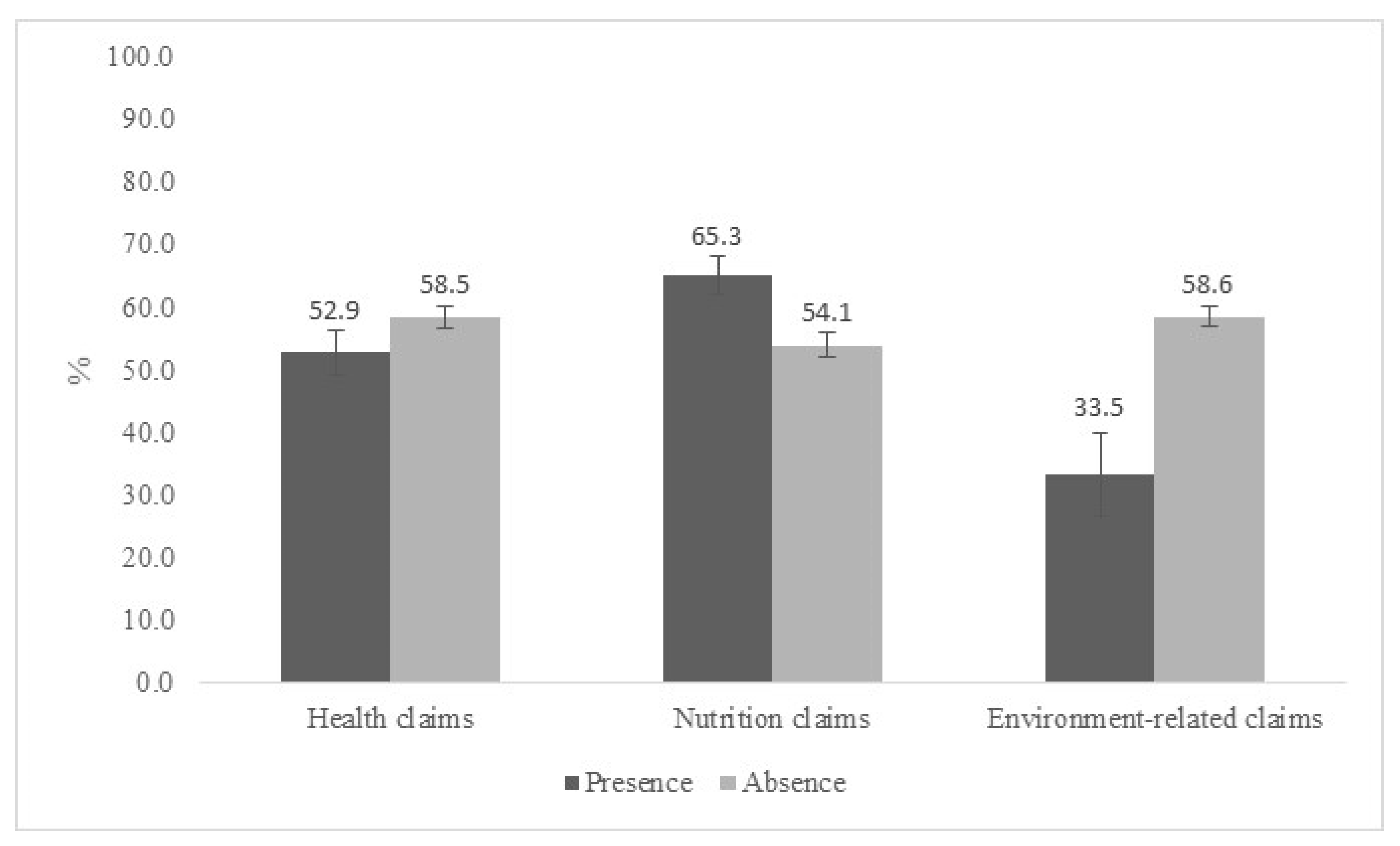
31 Which Part Of A Food Label Is The Primary Tool For Determining The Healthfulness Of The ...
Food Additives - thenutrientgap.com Label compliance for Food Businesses, Food Label Reviews, Nutritional Content, Allergens, Health Claims. Additives have received negative press over the years, especially sweeteners in low-calorie products. However, food preserving techniques have been around for a long time used by Romans and Egyptians. Some natural preser...
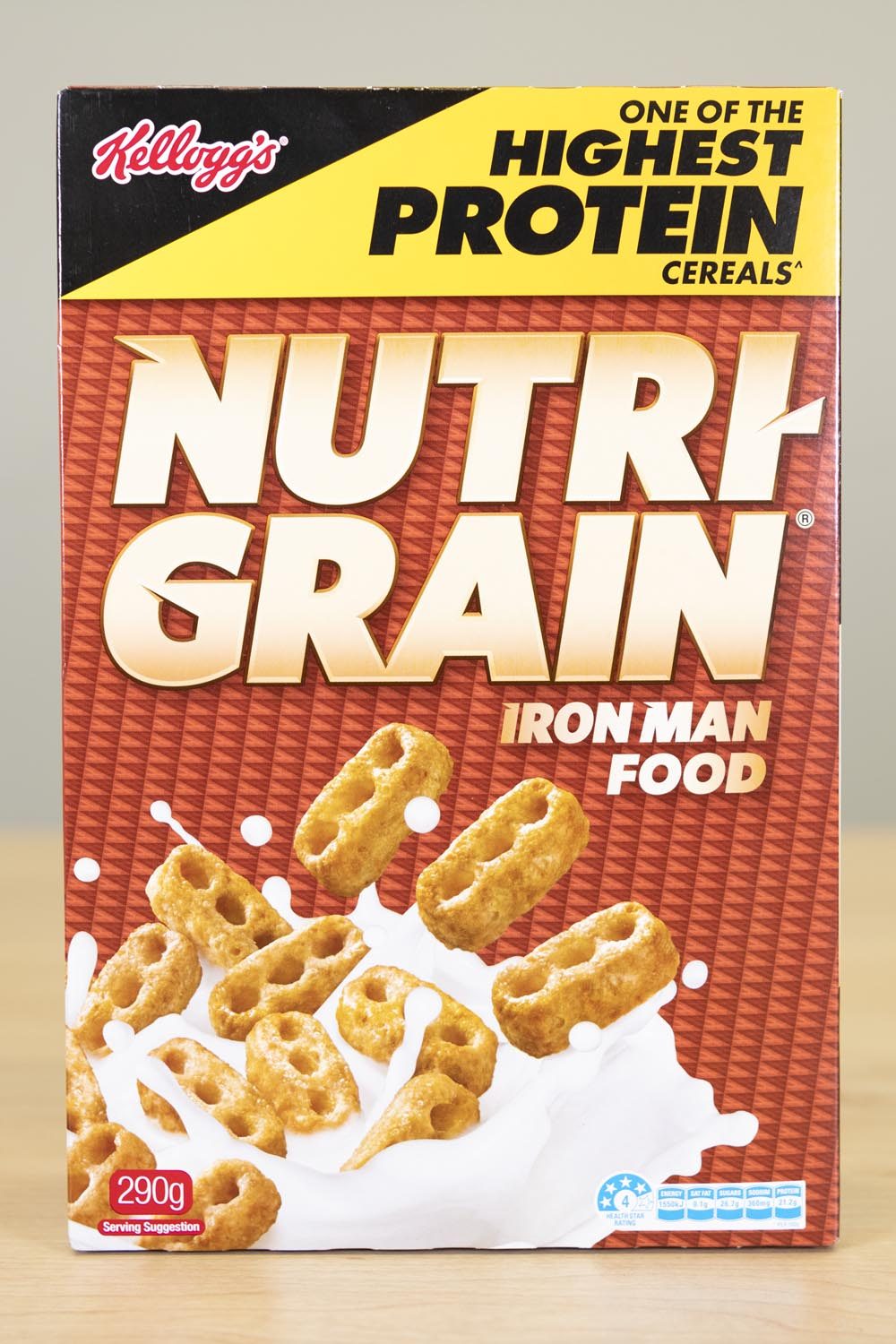
Food labelling overview | Obesity Evidence Hub
Nutrient Claims on Food Labels | Home & Garden Information Center The NLEA permits the use of label claims that describe the level of a nutrient in a food (e.g., nutrient content claims). Nutrient content claims describe the level of a nutrient or dietary substance in the product, using terms such as free, high, and low, or they compare the level of a nutrient in a food to that of another food, using terms ...

Weighty Matters: How About a Front-of-Package Health Claim Extension to Canada's Added Sugar Plan?
Nutrient content claims: what they mean - Canada.ca At least 25% more of a nutrient compared with a similar product. Calories (energy) At least 25% more Calories, totalling at least 100 more Calories than the food to which it is compared. Fibre. At least 25% more fibre, totalling at least 1 g more, if no fibre or fibre source is identified in the statement or claim, or at least 25% more of an ...

How not to be fooled by simple food labels
History of Nutrition Labeling - Front-of-Package Nutrition Rating ... Up to the late 1960s, there was little information on food labels to identify the nutrient content of the food. From 1941 to 1966, when information on the calorie or sodium content was included on some food labels, those foods were considered by the Food and Drug Administration (FDA) to be for "special dietary uses," that is, intended to meet particular dietary needs caused by physical ...

Factual Food Labels: Health Claims - UT Austin 100% Online Master of Science in Nutritional Science
Nutrient content claims - Canadian Food Inspection Agency Advertisements making vitamin and mineral nutrient content claims; Decision trees for nutrient content claim advertising requirements; Reference information. Foods to which vitamins, mineral nutrients and amino acids may or must be added; Nutrient content claim examples; Additional Information. Criteria for the nutrient content claim no added ...
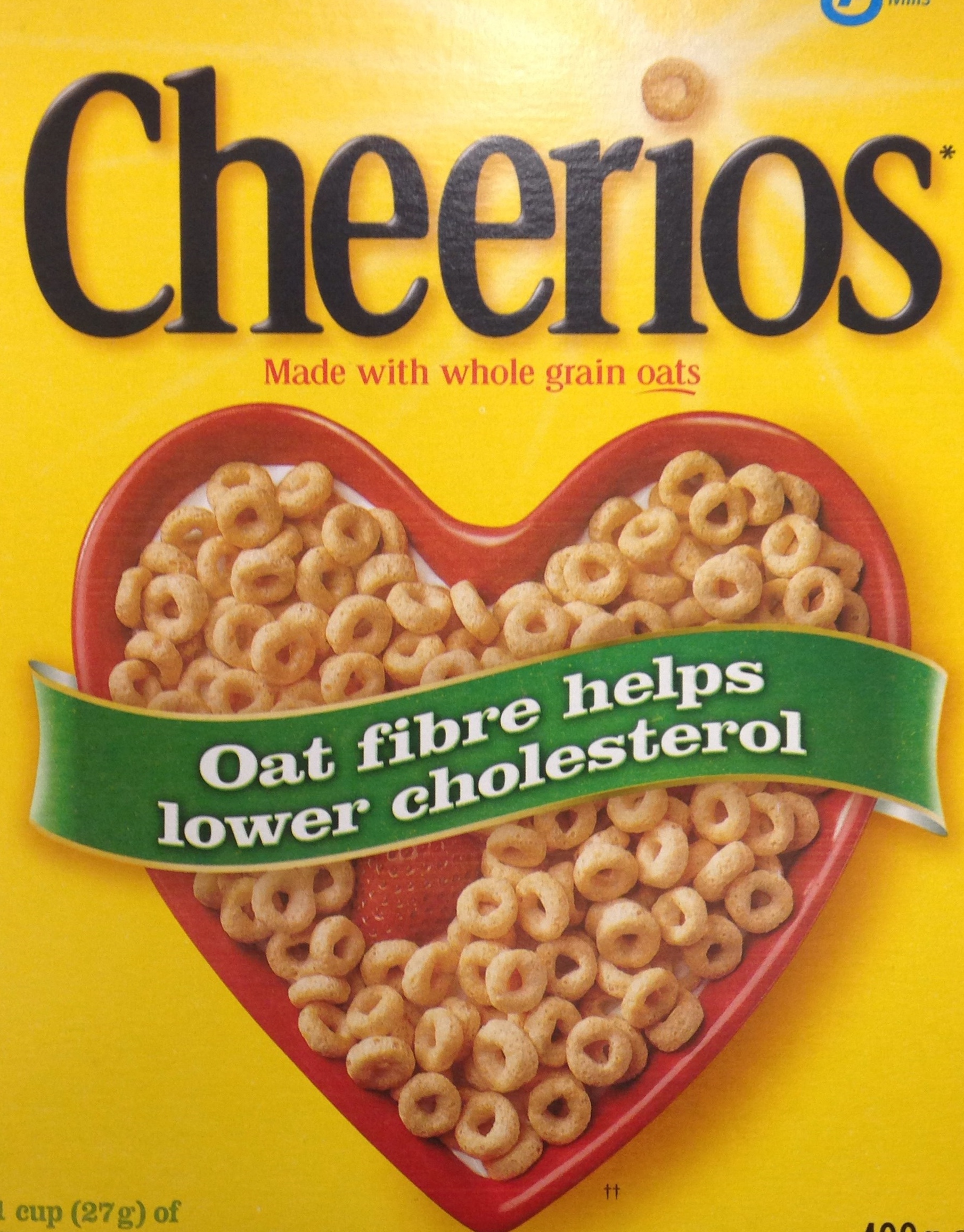
Nutrition Labelling and Marketing in Canada - Research Program for Nutrition Policy and ...

What does a food label really tell you? - Holistic Athlete
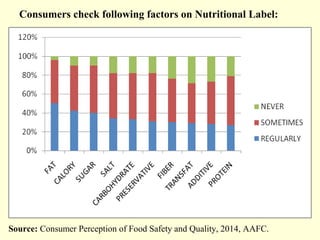
Nutritional labeling of food products
Post a Comment for "44 nutrient content claims on food labels"